


Used Car Valuation: Kolkata Price Guide
Used car valuation helps Kolkata owners set a realistic asking price by comparing similar cars, documenting condition and checking the net amount an offer leaves behind.
Used car valuation can feel confusing when every person gives your Kolkata car a different price. An online estimate, a neighbour's advice and a dealer's offer may all disagree. Rather than choosing the biggest number, build a price range you can explain with records, comparable cars and the actual condition of your vehicle.
This guide focuses on setting an asking price before you advertise, not on paperwork deadlines or choosing your next car. Whether your hatchback spends weekdays around Kasba or your sedan mostly handles family trips from Salt Lake, start with what you can prove. The aim is a sensible asking price, a clear minimum and fewer surprises at the final meeting.
Key Takeaways
- Compare like with like: Match the variant, transmission, registration year and ownership history before comparing advertised prices.
- Separate estimates from offers: A price shown online is not proof that a car changed hands at that amount.
- Document condition: Service invoices, tyre condition and disclosed repairs give a price discussion something concrete.
- Work out your net amount: Consider any loan settlement, agreed charges and necessary work before deciding your minimum.
- Price honestly: Leave reasonable room for discussion without hiding known faults or claiming a guaranteed resale value.
Used Car Valuation Starts With the Right Details
Before you search for prices, make a one-page description of your own car. Use the registration certificate for the registered details and the original invoice or manufacturer information for the exact variant. Don't guess the trim from the badge alone: accessories can be added later, and two similar-looking cars may have different equipment.
Write down the manufacture year and registration date separately. Add the fuel type, transmission, current odometer reading and number of registered owners. Record whether both keys, the service book and recent workshop invoices are available. If an entry is uncertain, mark it for checking rather than filling the gap with an optimistic answer.

Make a separate note of known faults and major repairs. A dashboard warning, an AC problem or past water entry belongs in this record even if the car looks tidy. This isn't an exercise in talking down your vehicle. It's how you avoid an inflated starting estimate followed by a difficult reduction once someone checks it.
Build a Useful Set of Kolkata Comparisons
Look for recently advertised cars that resemble yours as closely as possible. Start with the same model generation, variant and gearbox. Then narrow the group by registration year, kilometres and ownership count. A newer-generation car with a similar badge is not automatically a useful comparison, and an automatic should not be treated as identical to a manual.
Keep the comparison local where you can. A listing elsewhere may involve different registration arrangements, travel and other costs. Kolkata, Howrah and nearby areas can be practical starting points, but note where each car is registered. If you widen the search, write down why the result still belongs in your comparison rather than mixing every attractive advertisement together.
Save the listing date, asking price, kilometres, stated condition and whether the advertiser is a private owner or a business. Separate listings that include a stated warranty or other services from bare private-owner advertisements. You need not assign an invented value to those extras; simply avoid treating differently packaged offers as the same product.
An Advertised Price Is Not a Completed Deal
A listed price tells you what someone is asking, not what a purchaser has agreed to pay. An old advertisement may remain visible after circumstances change. Repeated adverts can also describe the same car. Remove obvious duplicates and flag unusually high or low figures until you understand the reason behind them.
Ask whether a quotation is an initial estimate or an amount offered after the car has been examined. Ask what could change it and when it expires. Keep written messages where possible. A verbal headline amount without conditions is less useful for your planning than a clear offer that explains its assumptions.
Don't turn the highest advertised figure into your guaranteed entitlement. Instead, group the closest comparisons into a provisional range. If your car sits near one end, write a factual reason, such as documented recent work or tyres that need replacement. If you cannot explain the difference, collect better comparisons before defending the number.
Use Condition Evidence, Not a Fixed Deduction Chart
There is no universal deduction in this guide for a scratch, an extra owner or a missing invoice. The repair needed, the model and the person assessing the car all matter. A blanket percentage can create false precision. Describe each issue clearly and obtain a written workshop estimate when a repair cost is relevant.
Check tyre tread and visible damage, the spare wheel, warning lights, AC operation, windows and locks. Look at the cabin, boot and paint in daylight. Don't hide a smell with strong fragrance or clear warning lights just for a viewing. If there is a safety concern, get professional advice rather than using a public-road drive to diagnose it.
For mechanical doubts, ask about a car inspection before settling on an asking price. Confirm the scope and any charge directly with the team; this article does not promise a particular package. A written account of what was checked is more useful than a vague statement that everything is perfect.
What Service Records and Repairs Can Explain
Arrange workshop invoices in date order and match them to the vehicle details. They can help explain servicing and repairs, but a thick folder alone doesn't prove present condition. Highlight the latest work and separate routine maintenance from major repairs. If records are missing, say so instead of describing the history as complete.
Money spent on maintenance does not automatically come back rupee for rupee in the asking price. Replacing worn tyres restores usability; it isn't the same as adding an equal amount to every comparable advertisement. Use invoices to support the condition you describe, and let current comparisons guide the overall price range.
Treat accessories similarly. Your preferred audio system or seat covers may not matter to the next owner. Keep original parts if available and state any modifications accurately. Avoid expensive cosmetic work solely because you assume it will increase the final amount; obtain a quote and compare that expense with the offers you already have.
Check the Paper Trail Before Discussing a Final Amount
Keep the registration certificate, insurance details and applicable vehicle records ready for review. The official Parivahan ownership-transfer guidance lists Forms 29 and 30 and the supporting documents for a normal sale. Some listed documents depend on the state, so check the requirements that apply to your transaction rather than treating an online checklist as final approval.
This matters to pricing because an unresolved document question can interrupt an otherwise sensible discussion. Don't promise a transfer date or a fixed government charge without checking it. A clear description of what is ready and what remains pending lets both sides decide on the practical next step.
If a lender is recorded against the car, ask that lender for the current settlement amount and the applicable closure process. Do not confuse the value of the vehicle with the amount left after the debt is cleared. Your outstanding balance is a personal financial obligation, not evidence that the car itself must command a higher price.
Set an Asking Price and a Private Minimum
Keep two figures in your notes: the asking price you can justify and the minimum net amount you are prepared to accept. Base the first on comparable cars and documented condition. Base the second on your circumstances, after considering any debt settlement and costs you have agreed to bear. Neither number needs to be shared before you understand an offer.
As an illustration only, an offer of ₹4,00,000 with ₹1,00,000 payable toward an outstanding loan leaves ₹3,00,000 before any other agreed costs. These figures are not a valuation, a quote or a prediction for a Kolkata car. The purpose is to show why the headline offer and the money available to you are different questions.
Allow space for a reasonable discussion, but don't add an arbitrary large cushion just because bargaining might happen. A price far above your own evidence is hard to defend. Equally, a rushed low offer is not proof your records are wrong. Ask for the reasons, compare them with the car's condition and decide without pressure.
Compare Final Offers on the Same Basis
Put each serious offer into the same short format: gross amount, stated deductions, who pays each agreed cost, any loan settlement arrangement and the expected net amount. Add the conditions still outstanding. If one figure is provisional and another is confirmed after examination, label that difference clearly before comparing them.
Time matters as a personal preference, not as a guaranteed market premium. If you are relocating from Kolkata soon, you may value a clear process more than waiting for a possible higher figure. If you can wait, keep monitoring genuinely comparable listings. Decide which trade-off suits you instead of accepting a claim that today's offer is your only chance.
When you are ready to discuss your car, share the vehicle details with Explicit Cars and ask for the basis of the offer. Confirm any charges, conditions and responsibilities directly. No price, completion time or guaranteed offer is being promised by this article.
A Final Check Before You Advertise
Read your description as if you had never seen the car. Does it distinguish manufacture year from registration year? Does the odometer figure match the current reading? Are known repairs and missing records mentioned? Clear daylight photos of the exterior, cabin, odometer and visible marks help keep the conversation consistent with your written description.
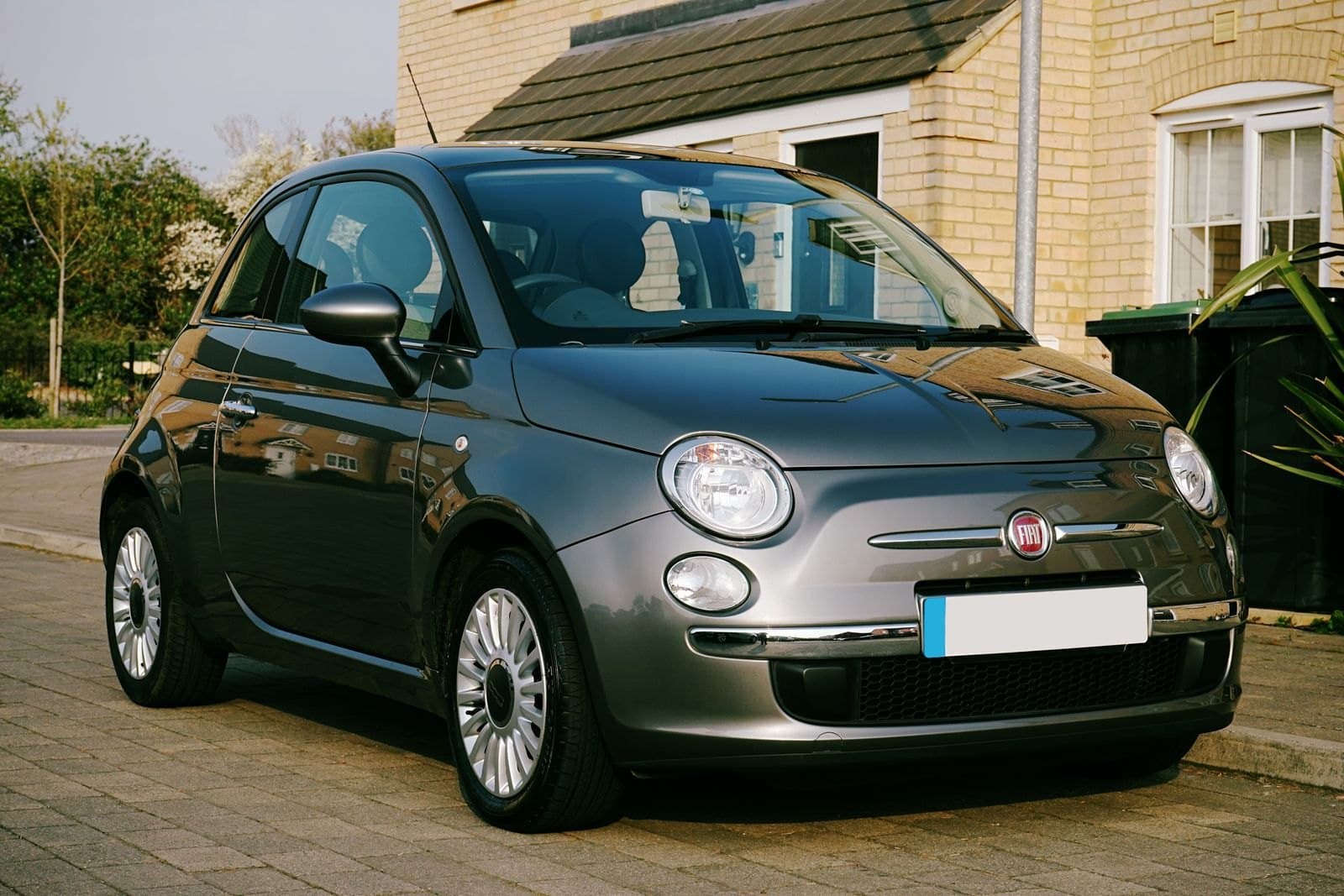
Keep private identity documents out of public photographs and share necessary records only through an appropriate process. Don't describe stock photos as photographs of your vehicle. The images in this guide are illustrative, not a vehicle listing or evidence of a particular car's condition. Your own advertisement should show the car actually being offered.
Finally, review your notes after a serious viewing. If several independent assessments identify the same repair, investigate that point rather than repeatedly insisting on the original estimate. If the feedback is vague, ask for specifics. Updating a price because the evidence improved is sensible; changing it simply because someone was forceful is not.
About Explicit Cars
Explicit Cars is a Kolkata used-car business at 198, Rajdanga Main Rd, near Acropolis Mall, Kolkata, West Bengal 700107. For questions about your vehicle and the next steps, get in touch with the Explicit Cars team.
Final Thoughts
A useful used car valuation is a reasoned range, not the largest number on a screen. Match comparable cars carefully, describe condition honestly and separate the headline amount from what you will actually receive. With your records and minimum ready, you can discuss your Kolkata car calmly and recognise an offer that makes sense for you.
Frequently Asked Questions
Record the exact variant, registration year, transmission, kilometres and ownership history first. Compare closely matched local advertisements, then adjust your expectations using documented condition rather than a universal percentage.
Not unless the provider explicitly confirms that in its terms. Ask whether the amount depends on examining the car, checking documents or completing other steps, and get the conditions in writing.
Do not assume an insurance figure is a current market offer. Set your asking range using comparable cars and present condition, and ask your insurer to explain any policy valuation you do not understand.
There is no guarantee that maintenance spending will be added back to the final amount. Use invoices to support your description of the vehicle, rather than adding every bill to your asking price.
No: the amount you owe and the vehicle's market value are separate questions. Ask your lender for settlement details, then work out what would remain from an offer after the applicable obligations and agreed costs.
Check whether the offers cover the same car condition and whether either is still provisional. Compare written deductions, agreed charges and the net amount, and ask for specific reasons for any reduction.
Similar Blogs

RC Transfer After Selling Car in Kolkata
RC transfer after selling car paperwork is what actually ends your responsibility for a vehicle you've sold. Here's who files what, the deadlines, what changes with a loan or an out-of-state buyer, and how Kolkata sellers can confirm the transfer is done.

How to Sell Used Car Online Quickly & Safely | Explicit Cars
Selling your used car online isn’t just faster—it’s the safest way to get the right value without unnecessary risk.
Enjoyed this article?
Explore more stories, tips, and insights on our blog.