



Sell Car With Pending Challan in Kolkata: Steps
Sell car with pending challan Kolkata owners often find hidden fines at the last minute. Here's how to check, clear and document them before the handover.
If you want to sell car with pending challan Kolkata traffic cameras may have quietly added to your record, the first job is to find out exactly what is pending. Most owners only discover an old fine when a buyer asks about it, and that is a bad moment to be guessing.
This guide is only about that one problem: how to check, clear and document traffic challans before you hand the car over. It sits alongside our longer guide on RC transfer after selling a car in Kolkata, and it doesn't repeat the full transfer paperwork. We'll look at how to find your challans, what to do about each type, how to talk to a buyer honestly, and how to keep proof.
Key Takeaways
- Check before you list: Search your own vehicle number on the official eChallan page before the first buyer calls.
- Know what each challan is: A paid fine, an unpaid fine and a notice sent to court are three different situations.
- Pay only through official channels: Use the government portal, and keep the receipt for every challan you clear.
- Be open with the buyer: Tell them about any challan you can't clear before the handover, and agree in writing who handles it.
- Keep proof: Screenshots, receipts and a dated handover note protect you if a fine appears after the car has left your hands.
Why You Should Sell Car With Pending Challan Details Sorted First
A challan is linked to the vehicle and to the people involved in the offence. If your car has changed hands, a later notice can still land on the old owner while the registration records catch up. That gap is where most seller disputes start.
Kolkata drivers pick up fines in all sorts of ordinary ways: a camera on a busy road, a no-parking notice outside a market, a signal jumped on a rushed morning. Many people never see the message because it went to an old phone number. So your first step isn't paying anything. It's finding out what exists.
Clearing a challan early also helps your price discussion. A buyer who sees a clean record and a pile of receipts tends to ask fewer awkward questions, and the conversation stays on the car instead of on your history with it.
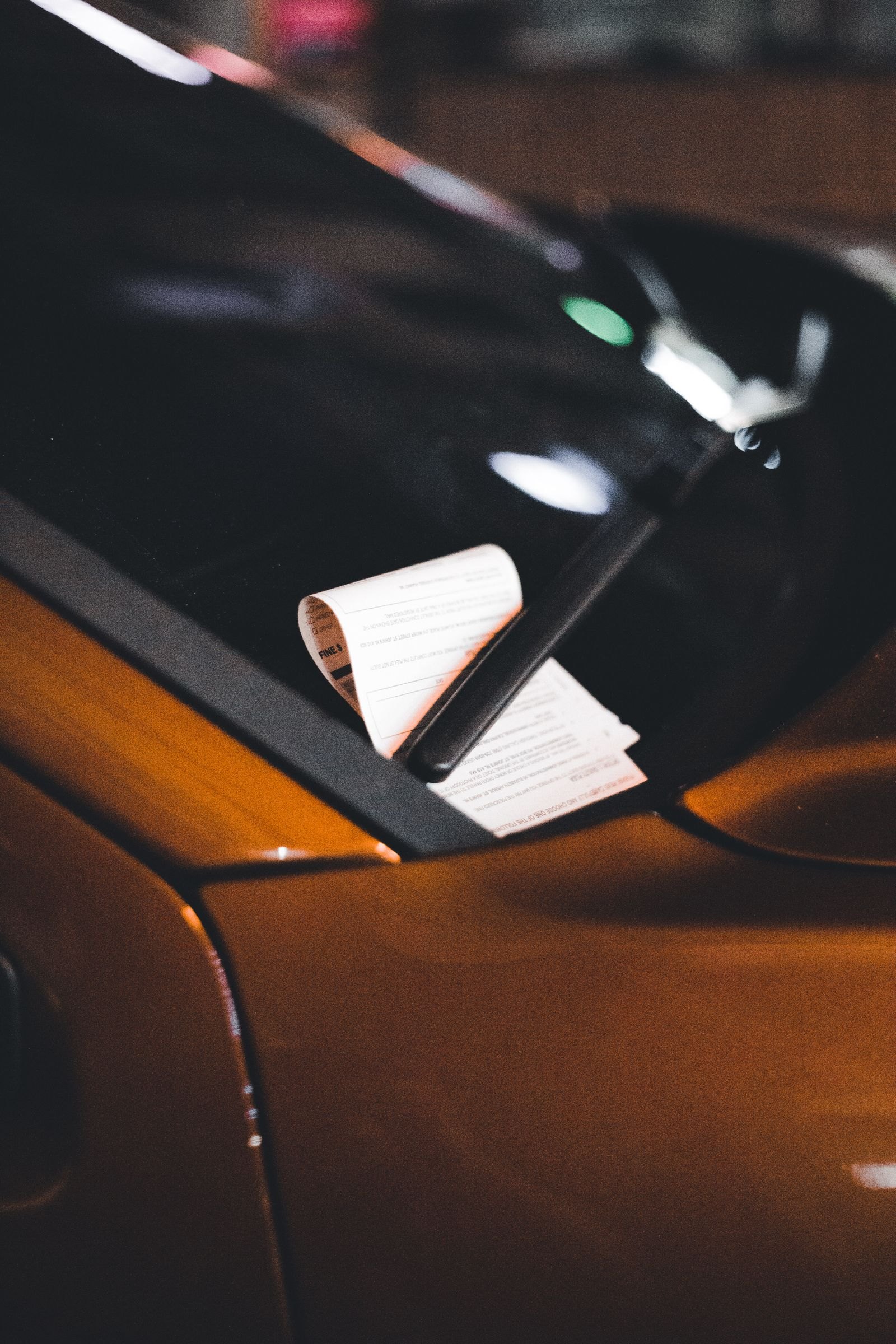
How to Check Your Challans
The Ministry of Road Transport and Highways runs an official eChallan status page where you can look up challans by challan number, vehicle number or driving licence number. The page also tells West Bengal users to check and pay their challans on the NextGen eChallan portal, so follow whatever route the page itself shows you.
Only use the official government address. The same page warns people to beware of fraudulent websites and apps that imitate the eChallan service, and says the portal never asks for your password, OTP, payment details or sensitive personal information through calls, emails, messages or links. If a message asks for any of that, stop and don't pay.
What to Note Down
For every challan you find, write down the same few details so you can answer a buyer clearly later.
- Challan number and date: This is how you will match a receipt to the right fine.
- Amount and status: Is it pending, paid, or forwarded to a court?
- Which vehicle: Confirm the registration number is yours and not a look-alike typo.
- Offence description: Parking, signal, speed or documents. You may need it if you dispute it.
Types of Pending Challans and What to Do
Not every entry on the list is handled the same way. Read the status before you act.
An Unpaid Fine You Accept
If the offence was yours and the amount is clear, pay it through the official route and save the receipt. Take a screenshot of the status after payment, because a record can take time to update. Paying early is the simplest way to remove the item from the conversation.
A Challan You Don't Recognise
Check the date, place and vehicle number first. If the car was with a family member, a driver or a previous owner on that date, ask them. If you still think it's wrong, don't just ignore it: look for the grievance or dispute option on the official channel, and keep a written note of what you did.
A Notice Sent to Court
Some challans are forwarded to a court instead of being payable as a simple fine. The official page itself carries a note about challans forwarded to the Virtual Court, and says that if you choose to pay in one place you shouldn't pay again at the other. Read that note on the page for your case, and don't pay twice.
If you can't tell which route applies, ask your local transport or traffic office before paying. That one conversation is cheaper than a double payment or an unresolved notice that follows the car into the buyer's name. You can also contact the Explicit Cars team for general selling help, though we can't clear a government challan on your behalf.
A Step-by-Step Plan Before You List the Car
- Search your vehicle number on the official eChallan page and screenshot the result.
- List every challan with its number, date, amount and status.
- Pay the ones you accept through the official portal and save each receipt.
- Raise a query for any challan you don't recognise, and keep a record of it.
- Check the list again a few days later to confirm the status has updated.
- Put the receipts and screenshots in one folder with your other sale papers.
Repeat the check on the day you agree the deal. A new challan can appear between your first search and the handover, particularly when a camera notice is generated a few days after the offence.
Talking to the Buyer About Pending Fines
Tell the buyer what you found and what you've paid. That is much better than letting them discover it from a search, because a surprise makes people suspect there's more you haven't said.
If you couldn't clear one before the sale, say so in plain words and agree who will deal with it. Write the agreement down. A short line such as 'the seller will clear the challan numbered X within an agreed number of days' is far clearer than a spoken promise. If a price adjustment is part of the deal, note that too; our guide on how to set your asking price before you advertise shows how to work out a minimum that covers such costs.
What a Fair Agreement Covers
- Which challans: List them by number and date.
- Who pays: Name the person responsible for each one.
- By when: Agree a date, and keep the receipt as proof.
- Offences after handover: Anything dated after the handover time should be the new owner's responsibility, so record the exact time of delivery.
Offences Before and After the Handover
Date and time matter here. A challan for an offence before you handed over the car is generally your matter. A challan for an offence after the handover shouldn't be yours, but you'll want proof of the time the car left you.
That's why a signed, dated handover note is worth the five minutes. Record the date, the time, the odometer reading and both signatures, and keep a copy. Our guide on the RC side of the sale explains how this note fits with the transfer forms.
If a challan reaches you after the handover for a later date, show the note and the transfer application to whoever is asking, and tell the buyer politely. Don't pay a fine that clearly belongs to the new owner just to make the message go away.
Documents to Keep in Your Challan Folder
- Screenshots of the eChallan search result from the day you listed the car.
- Payment receipts for every challan you cleared.
- Any written query or dispute you raised, with its reference.
- The handover note with date, time and odometer reading.
- Copies of the sale agreement and transfer forms, kept with the RC details.
Keep the folder as photos on your phone and as a printout. Nothing in it is complicated, but when a problem shows up months later it's the quickest way to answer it.
Mistakes Sellers Make With Challans
- Paying on a look-alike site: Always start from the official government address, not from a message or an advert.
- Ignoring small amounts: A small fine still belongs on your list, and the buyer may still ask about it.
- Paying twice: If a challan is with a court, read the note on the official page before paying in a second place.
- Skipping the receipt: A payment you can't prove is a payment you may have to make again.
- Not rechecking: One search a month ago doesn't cover a camera notice generated last week.
- Hiding it from the buyer: A fine you mention is a small point; one you hide becomes a trust problem.
Get the Car Ready Around the Challan Check
Clearing fines is one part of a clean sale. A buyer will also look at the condition of the car, so a simple car inspection before you advertise gives you facts to share, and it keeps the conversation about the car rather than about assumptions.
Pair that with a tidy file: RC, insurance, pollution certificate, service records and your challan folder. When everything is in one place, you can answer a buyer in a minute instead of hunting for a paper the next day.
About Explicit Cars
Explicit Cars is a used car buying, selling and exchange business based in Kolkata, at 198, Rajdanga Main Rd, near Acropolis Mall, Kolkata, West Bengal 700107. We help car owners and buyers in the city deal with the practical side of a car sale. If you're planning a sale, you can sell your car with Explicit Cars or call us on +91 9753888777.
Final Thoughts
If you plan to sell car with pending challan Kolkata records attached, don't wait for the buyer to raise it. Search your vehicle number on the official page, clear what is yours, query what isn't, and keep every receipt. Then tell the buyer plainly what you found.
A clean, documented history makes the sale quicker and keeps you protected after the car leaves. For anything specific to your own situation, contact the Explicit Cars team or ask your local transport office, because the right step depends on the type of challan.
Frequently Asked Questions
You can usually list and discuss the car, but you should find out what is pending first and tell the buyer honestly. Clear the fines that are yours and agree in writing who handles anything left. If you are unsure how a particular challan affects the transfer, ask your local transport office.
Search your vehicle number on the official eChallan page run by the Ministry of Road Transport and Highways. You can also search by challan number or driving licence number. For West Bengal, follow the route the page itself shows.
No. The official eChallan page warns about fraudulent websites and apps that imitate the service. Start from the official government address and never share your password, OTP or payment details in response to a message.
Check the date, place and vehicle number, and ask anyone who had the car that day. If it still looks wrong, use the dispute or grievance option on the official channel and keep a written record of what you did.
That depends on the date and time of the offence, so record the exact handover time in a signed note. Offences before the handover are normally yours, and the buyer should handle later ones. Keep your proof ready in case a notice reaches you.
Read the note on the official eChallan page about challans forwarded to the Virtual Court, and avoid paying in two places. If you cannot tell which route applies, ask your local transport or traffic office before paying.
Yes. Tell them what you found, what you paid and what is still open, and write down who will clear it and by when. Being open early keeps the sale smooth and avoids a dispute later.
Similar Blogs

Used Car Valuation: Kolkata Price Guide
Used car valuation helps Kolkata owners set a realistic asking price by comparing similar cars, documenting condition and checking the net amount an offer leaves behind.

RC Transfer After Selling Car in Kolkata
RC transfer after selling car paperwork is what actually ends your responsibility for a vehicle you've sold. Here's who files what, the deadlines, what changes with a loan or an out-of-state buyer, and how Kolkata sellers can confirm the transfer is done.

How to Sell Used Car Online Quickly & Safely | Explicit Cars
Selling your used car online isn’t just faster—it’s the safest way to get the right value without unnecessary risk.
Enjoyed this article?
Explore more stories, tips, and insights on our blog.